Why Outlets Lose Power
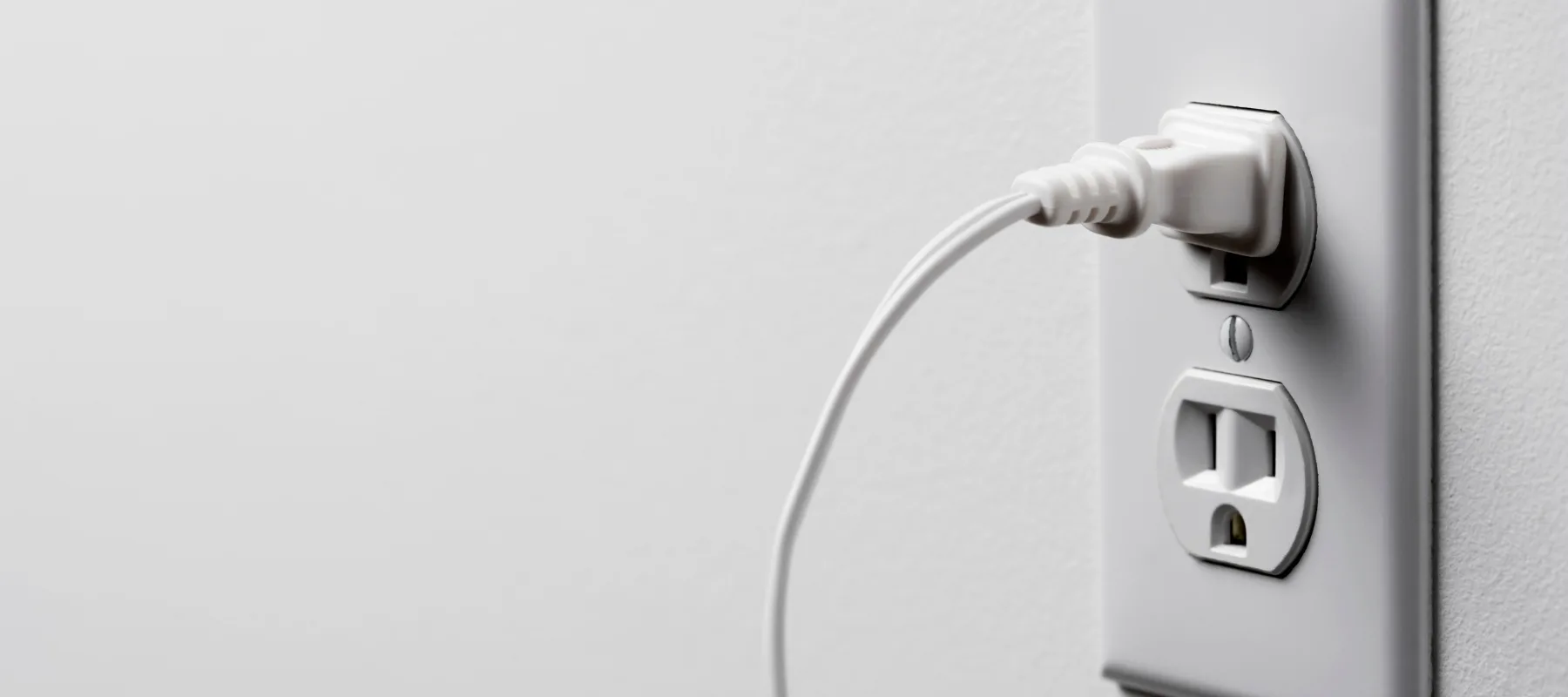
You plug in a lamp, charger or small appliance, but nothing happens. Maybe one outlet has stopped working, or several nearby receptacles have lost power at the same time. While the cause may be as simple as a tripped breaker or GFCI receptacle, it could also involve an overloaded circuit, a damaged outlet or a problem elsewhere along the wiring.
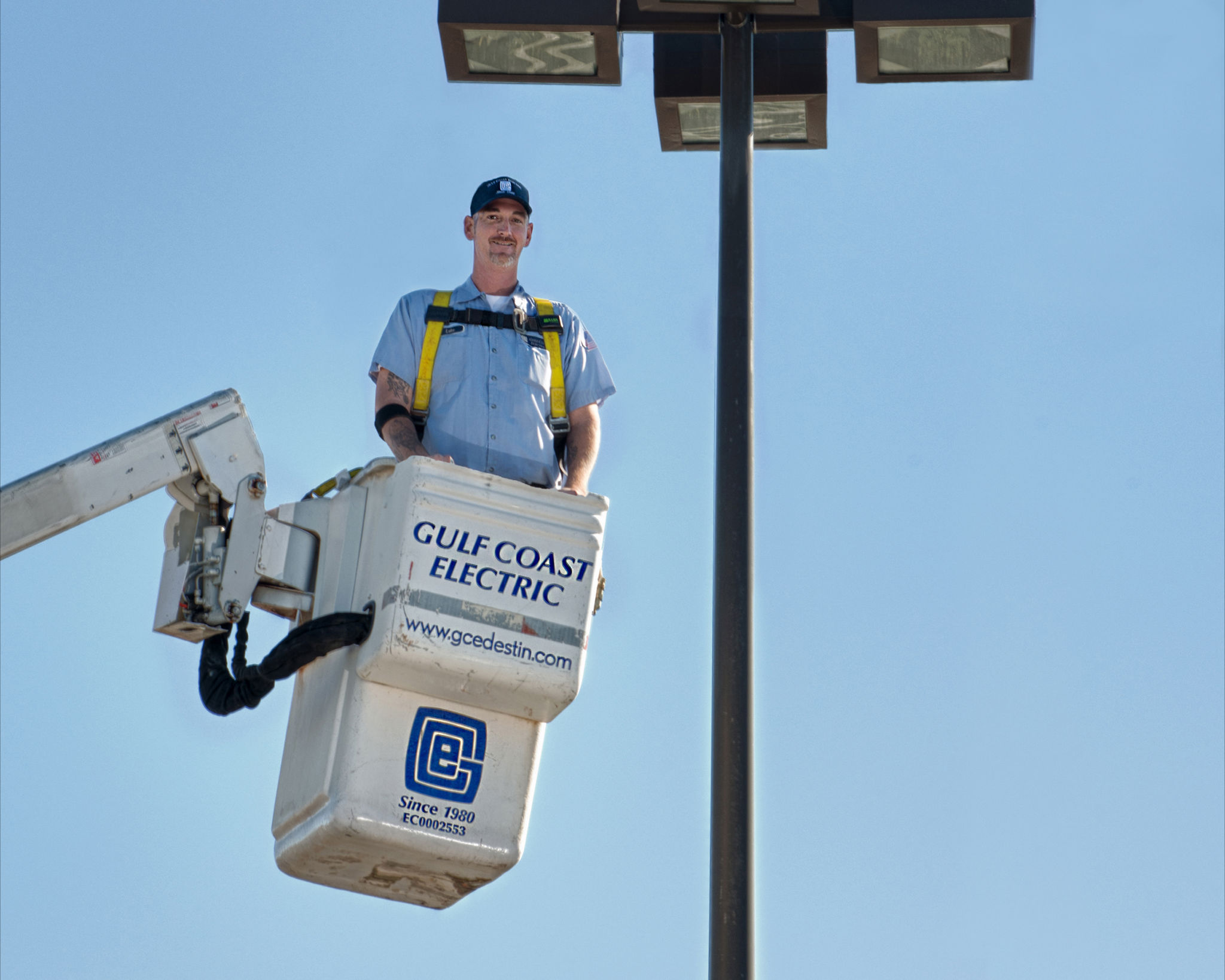
As a licensed and insured, veteran-owned company serving Northwest Florida since 1980, Gulf Coast Electric explains the most common reasons outlets stop working and when professional testing may be needed.
Common Reasons An Electrical Outlet Stops Working
Several electrical issues can interrupt power to one outlet or a larger group of receptacles.
The Circuit Breaker Tripped
Circuit breakers are designed to shut off power when a circuit draws more current than it should. This happens when too many appliances or devices are operating on the same circuit.
A tripped breaker does not always move fully into the “off” position. It can sit between “on” and “off,” making it easy to overlook during a quick visual check.
Repeated breaker trips should not be treated as a routine inconvenience. They may point to excessive electrical demand, a damaged device or another condition that requires further evaluation.
A GFCI Receptacle Tripped
Ground-fault circuit interrupter receptacles, commonly called GFCIs, are designed to interrupt power when they detect an electrical imbalance. They are frequently installed in kitchens, bathrooms, garages, laundry areas and other places exposed to water.
One GFCI receptacle often protects other outlets farther along the same circuit. When that GFCI trips, those connected outlets lose power even if they appear normal.
Look for a nearby receptacle with “test” and “reset” buttons. Press the reset button once. Do not continue resetting it if it immediately trips again or will not stay engaged.
The Circuit Is Overloaded
Plugging several high-demand devices into the same circuit places more strain on the wiring than the circuit can safely to carry. A space heater, hair dryer, microwave or portable air conditioner can overload a circuit when other devices are already operating nearby.
Unplugging devices you are not using reduces the load on the circuit, but it does not resolve a recurring electrical problem. Frequent outages, warm receptacles or repeated breaker trips warrant professional attention.
The Outlet Is Worn Or Damaged
Receptacles wear down over time. As the internal contacts loosen, plugs stop fitting securely. Physical damage, discoloration or scorch marks are also signs that the outlet should no longer be used.
Do not remove the cover plate or replace the receptacle unless you are qualified to perform electrical work. Even a nonworking outlet may still contain energized wiring.
A Loose Connection Interrupted The Circuit
Outlets usually share the same electrical path. A loose or damaged connection at one receptacle can interrupt power to other outlets on the same circuit.
Signs include intermittent power, flickering lights, buzzing sounds or an outlet that works only occasionally. Because the fault is not always located at the nonworking outlet, identifying it typically requires electrical testing.
A Switch Controls The Outlet
Some receptacles are connected to a wall switch, especially in rooms designed to use switched lamps instead of permanent ceiling fixtures. Check the nearby wall switch first. In some rooms, the switch controls one half of the outlet while the other half provides constant power.
The Problem Extends Beyond One Outlet
When outlets in several rooms stop working, the problem likely extends beyond a single receptacle. It could involve a shared circuit, the electrical panel or a larger interruption affecting part of the property.
Watch for flickering lights, appliances shutting off unexpectedly or power that cuts in and out. These signs point to a broader electrical issue, including possible voltage fluctuations, and require testing to identify the source.
How To Check An Outlet That Is Not Working
Homeowners can perform a few basic checks without opening the outlet or touching electrical wiring:
- Unplug the connected device. Test the device in a different working outlet to rule out a problem with the appliance, lamp or charger.
- Test nearby receptacles and lights. Determine whether the problem affects one outlet, one room or several areas.
- Look for a tripped GFCI. Check bathrooms, kitchens, garages and other nearby areas for a receptacle with a reset button.
- Review the electrical panel. Look for a breaker positioned between “on” and “off.” Follow the panel and breaker manufacturer’s instructions when resetting it.
- Remove unnecessary electrical loads. Unplug high-demand devices before resetting a breaker.
Stop troubleshooting if you notice heat, damage, unusual sounds or odors. Do not remove the receptacle, insert tools into it or attempt to test the wiring yourself.
Restore Power Safely
If the outlet still has no power after checking the breaker, GFCI receptacle and nearby switches, an electrician should test the outlet and circuit to identify the source of the problem.
Gulf Coast Electric provides residential electrical services, including outlet and switch repair when a receptacle stops working. Licensed and insured, our veteran-owned company has served Northwest Florida since 1980 and offers 24/7 emergency electrical service.
Contact Gulf Coast Electric to schedule electrical service and have the affected outlet and circuit properly evaluated.
Questions About Outlets That Stop Working
Can One Bad Outlet Affect Other Outlets?
Yes. Several receptacles often share the same circuit, and a loose or damaged connection at one point can interrupt power elsewhere. The outlet without power is not always where the problem started.
Why Does My Outlet Work Only Sometimes?
Intermittent power can point to a loose connection, worn internal contacts or another circuit problem. Stop using the outlet if it cuts in and out, feels warm or makes unusual sounds, and have it tested by an electrician.
Is A Dead Outlet An Electrical Emergency?
Not every nonworking outlet requires emergency service. Seek prompt help if the receptacle is hot, sparking, smoking, buzzing, producing a burning odor or showing signs of melting or scorching.
Why Will My GFCI Outlet Not Reset?
A GFCI receptacle will not reset if it is not receiving power, has failed internally or continues to detect a fault. Do not repeatedly press the reset button. An electrician can test the receptacle and the connected circuit to identify the cause.